What Happens When 250 Bridal Stylists Get in a Room Together: The Bridal Stylist Accelerator 2026
Aug 25, 2026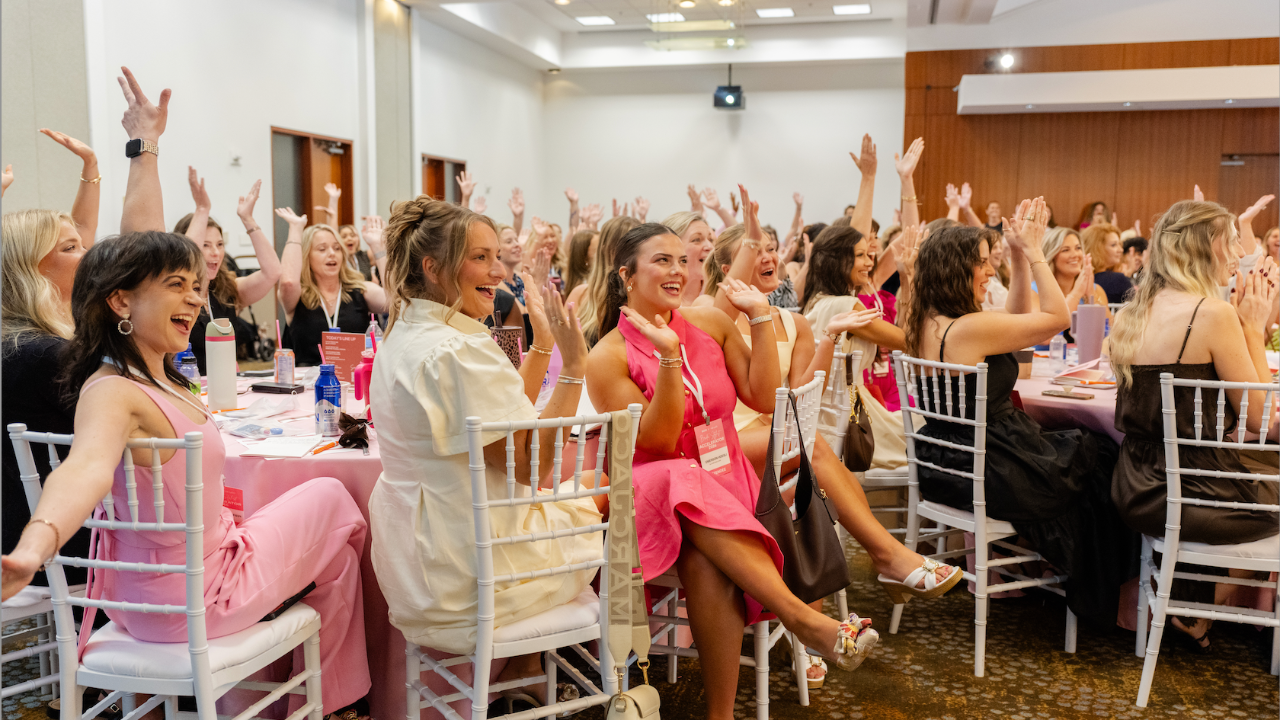
There are some events you leave with a notebook full of ideas. And then there are events you leave feeling like something shifted.
That was the Bridal Stylist Accelerator.
BOSS and The SalesGirls came together to bring 250 bridal stylists into one room with one goal: to help them sell like experts. But as I reflect on the day, I realize we accomplished something bigger than teaching sales skills. We created a room full of people who were reminded of just how powerful their role is.
Because bridal stylists don’t just sell wedding dresses. They guide women through one of the most emotional purchases they will ever make.
And when you put 250 people who do that work every day into the same room, something incredible happens.
#1: You Realize You’re Not Alone
One of the most powerful things about getting people in the same industry together is realizing that the challenges you’re experiencing aren’t unique to you. The questions. The frustrations. The pressure to hit goals. The desire to serve customers well while still running a profitable business. The moments when you wonder, “Am I doing this right?” Someone else is asking the same questions.
And there is something incredibly encouraging about sitting in a room with 249 other people who understand your world without needing it explained. That’s what industry community can do.
It reminds you that you don’t have to figure everything out by yourself.
#2: We Talked About Sales—But We Were Really Talking About Service
One of the biggest takeaways from the day was that sales is happening everywhere. Not just when a bride is standing in front of you trying on dresses. Every phone call is a sales opportunity. Every email. Every inquiry. Every interaction. Every question a bride asks. And one of the examples we talked about was incredibly simple.
A bride calls and says: “What time do you close today?”
It’s easy to answer: “8 o’clock.”
And hang up.
But what if there’s a question underneath the question?
- Why are you asking?
- Are you trying to figure out if you have time to come in today?
- Are you comparing us with another store?
- Are you trying to coordinate your entourage?
- Are you looking for a specific type of appointment?
There is almost always something behind the initial question. And the best salespeople aren’t just answering questions. They’re staying curious and ask more questions. And suddenly, a simple phone call becomes a relationship.
That’s not being pushy. That’s being helpful.
#3: The Goal Isn’t to “Get the Sale”
We also talked about something that I think is incredibly important for bridal stylists to hear: You can have sales goals without making the bride feel like your paycheck depends on her decision.
Those goals matter. Closing ratios matter. Revenue matters. A healthy bridal business needs sales.
But the energy you bring into the appointment matters, too. A bride can feel the difference between:
“I need you to buy this dress.”
and
“I’m here to help you figure this out.”
One feels like pressure. The other feels like confidence. The expert stylist isn’t desperate for the sale.She’s confident that she has the ability to listen, identify the problem, and recommend the right solution.
Her mindset is:
“I’m here to solve a problem for you.”
And when you truly believe that you have the expertise to help someone, you don’t have to chase the sale. You can guide the bride toward the solution.
When 250 stylists hear these ideas together, they don’t just learn individually. They energize one another. You could feel it in the room. There were aha moments. There was laughter. There were conversations happening between sessions. There were stylists thinking about what they were going to do differently when they got back to their stores.
And that’s one of my favorite things about education.
The real magic isn’t what happens in the room. It’s what happens after.
It’s the stylist who goes back to her store and answers the phone differently. It’s the manager who coaches her team to ask better questions. It’s the stylist who walks into her next appointment thinking less about her closing ratio and more about solving the bride’s problem. It’s the owner who realizes, “My team doesn’t need me to tell them how to sell. They need me to teach them how to think.”
That’s where transformation happens.